

Something Real: A Visit to Marsh Turtle Farm
A CREATIVE STORY
Educating our community about how regenerative and sustainable practices are healing our land and strengthening our local food system.
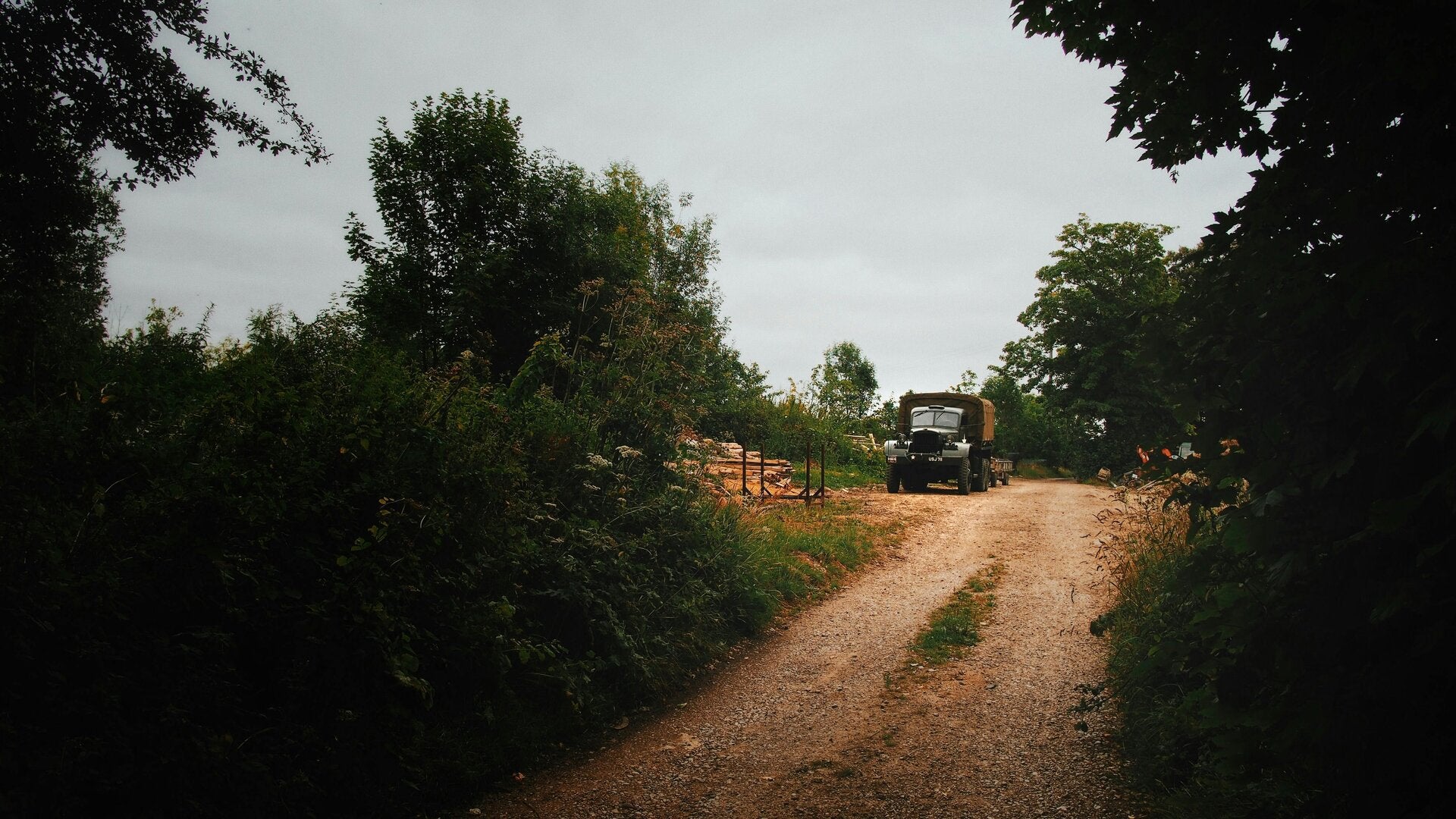
There was a handwritten address on his passenger seat, smudged with coffee from this morning when he sat in a conference room and couldn't remember why any of it mattered. It read 44 Farmer Road, Stockton, NJ 08559.
The address was his mom's handwriting. She'd pressed it into his palm during breakfast, her voice quiet but certain. "You need to go somewhere that matters," she'd said. Then, almost like an afterthought: "You don't even know where your food comes from." But really, she was saying: Go find out what it feels like to be alive again.

The farm sprawled before him in an improbable expanse of green. There were 42 acres of it, though only half was cultivated. The other half remained untamed: wild woods, wetlands, the kind of landscape that didn't apologize for existing.
It was early August, and the heat had turned the earth into something molten and generous. He could see the fields stretching into infinity, rows of tomato plants staked with military precision, their fruit swelling like promises.

A woman emerged from the farmhouse with a bandana tied around sun darkened hair. This was Amy Smith, he would later learn. Though she said nothing about herself, only asked what brought him to the farm. Marcus realized he had no idea what to say.
"I want tomatoes," was the first thing that came to his mind and immediately regretted how it sounded. Too desperate.
She smiled, the kind of smile that contained an understanding of human folly but no judgment. "Then let me show you something you have never seen."

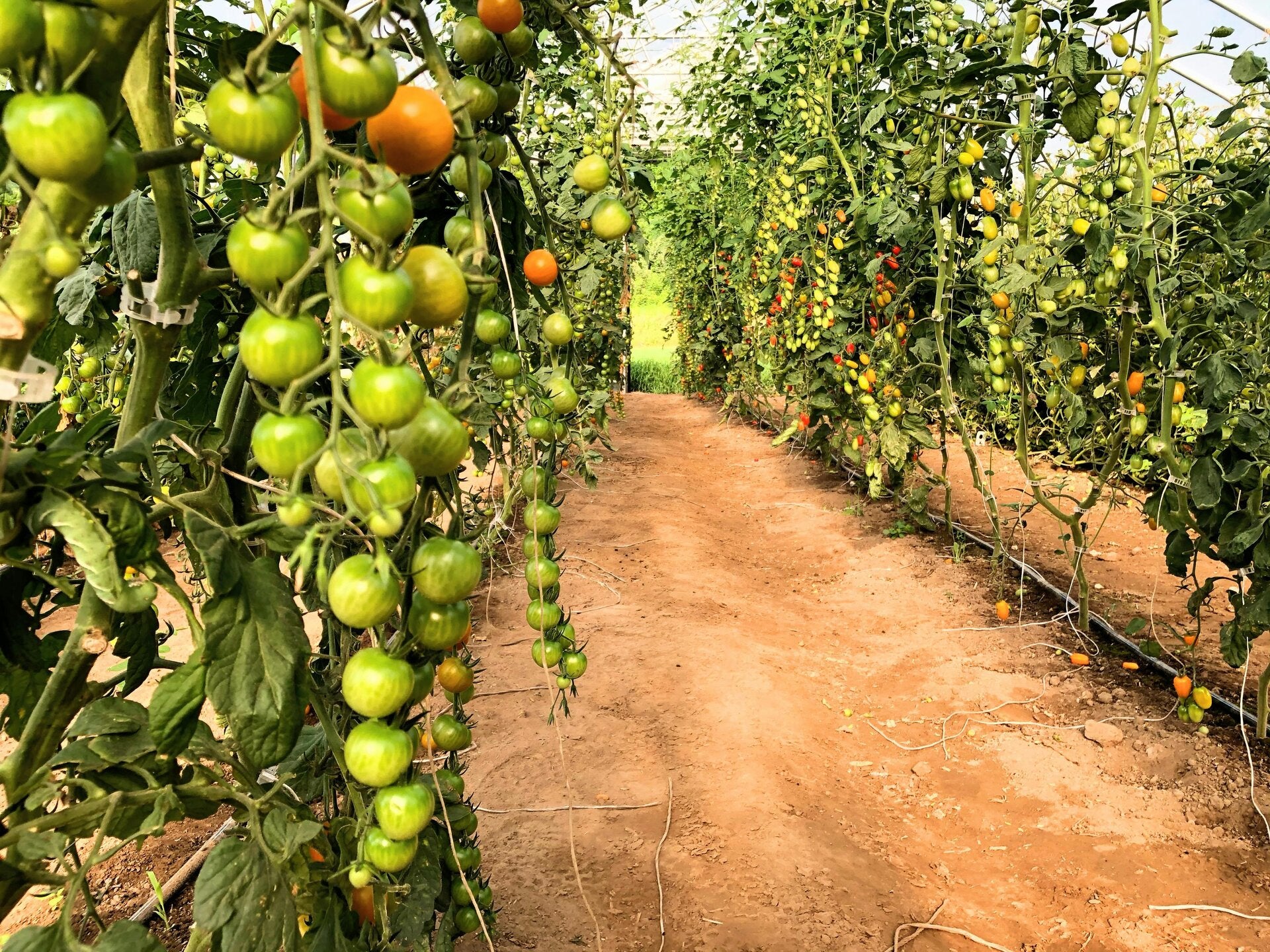
The tour began in the tomato section. Amy moved through her plants with the tenderness of someone handling newborns, hands steady and reverent. These are my fifteen varieties, she told him. Heirlooms: Cherokee Purple, Brandywine, Black Krim. Her fingers traced the verdant flesh of each fruit, reading them like braille.

This one," she said, offering him a sun warmed tomato so ripe it nearly collapsed in his palm. She then said: "It tastes like August of 1998. The year I realized I wanted to grow things instead of destroy them."
He bit into it. The flavor was so intense it tasted like every careful decision; the soil amendments, the careful watering, the perfect ripeness, distilled into one bite. Juice ran down his chin. He didn't wipe it away.
They moved to the peppers. Nine varieties. Each one tasted completely different—sweet, hot, complex, bright, a reminder of why farmers grew multiple kinds.
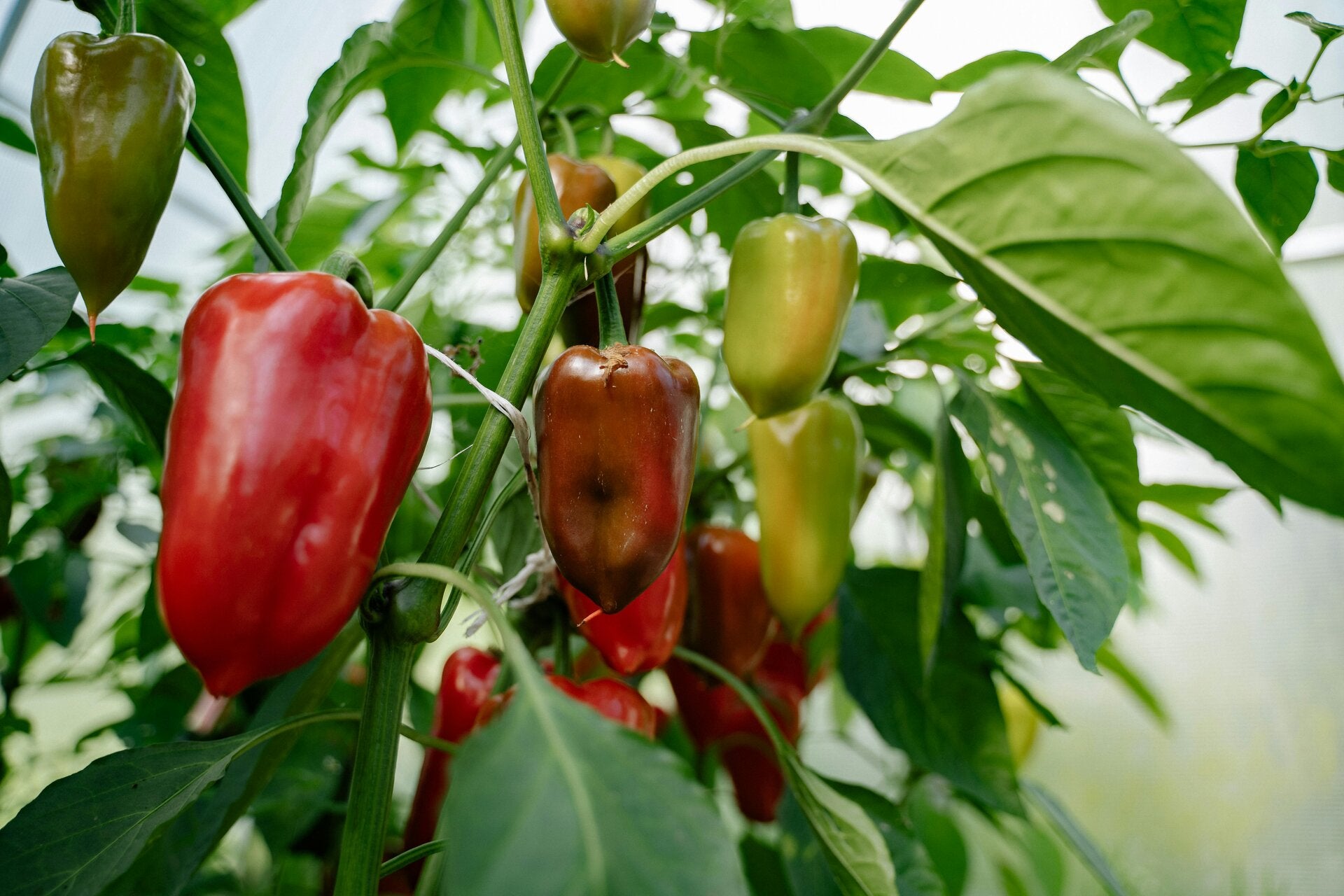
There were varieties that seemed to have emerged from fever dreams: Thai basil peppers with hints of anise, ghost peppers that burned like regret, poblanos so mild and sweet they tasted like forgiveness.
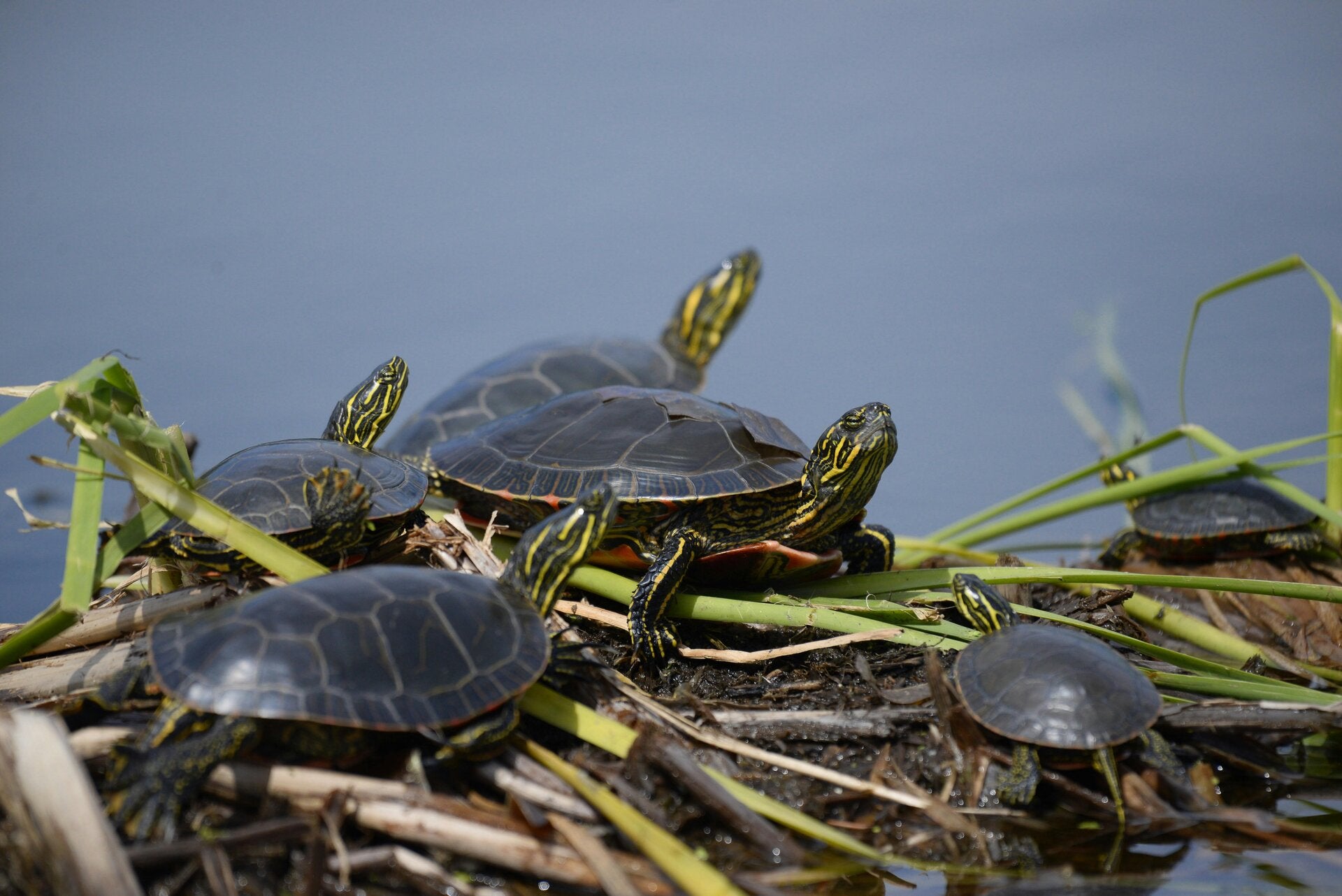
In the distance, he heard water. He was told it was Roxebury Brook and Maple Brook converging where her fields ended. "Do you have turtles?" he asked, remembering the sign with the farm's name. She laughed at this question because she had expected it at some point. "Yes," Amy said. "But we don't raise them. They raise themselves. They come in spring and early summer from the wetlands, looking for somewhere safe to lay eggs. We leave paths clear for them. The farm accommodates the wild things."
There was something amazing about all of this. The idea that this carefully ordered regenerative agricultural operation was, in fact, a shared space. A discovery that vegetables grew not in isolation but in connection with an older, stranger world. Marcus thought of his sterile apartment in Trenton, his complete disconnection from anything that grew or or lay eggs.

As the afternoon deepened, they ended up at the herb section. Basil—three varieties. Cilantro. Dill. Spearmint. Oregano. The air itself seemed to have texture here, heavy with fragrance. Amy broke off a sprig of holy basil and handed it to him.
"My father was an agronomist," she said. "He taught me that everything begins below the surface. The dirt. The network. The invisible things that we take for granted.
"Marcus held the sprig between his fingers, watching the late light catch its edges. He was thinking about networks—the ones between people, the ones within food, the ones we destroy when we try to live in perfect isolation. He was thinking also about him, how he felt withered from simple disconnection,"The vegetables," he said slowly. "They're not just vegetables, are they?"
"No," Amy agreed. "They're evidence. Evidence that something real is possible. That we can live in conversation with the natural world instead of domination of it."
From now on, the word "veggies" would have a new meaning for him: a prayer, a plea, a doorway. During his visit at Marsh Turtle Farm, Marcus discovered that some hungers run deeper than appetite, and some places, scattered across the fragmented map of New Jersey, forty five acres of negotiated space between wild and cultivated,might just offer what a fractured soul needs: a connection to something real, something growing, something that invites you to be part of it.

He left Marsh Turtle Farm as the sun was dropping toward the horizon, his car loaded with a box of produce: heirloom tomatoes, unusual peppers, herbs in small pots. The gravel crunched beneath his tires again as he pulled back toward the road.
He knew that he was coming back and next time, he will bring his beloved mother and show her that he did know where his food comes from.

The End
Contibuted by The Farmer Stylus